
Key Differences Between Office Management and Business Analysis


Understanding Office Management
Office management is the backbone of any organization, ensuring that daily operations run smoothly. It involves overseeing administrative tasks, managing office supplies, and coordinating with different departments to maintain a productive work environment. The focus is on efficiency and ensuring that everything in the office functions seamlessly.
Key responsibilities in office management include managing schedules, organizing meetings, and maintaining office equipment. An office manager plays a crucial role in fostering a positive work culture by ensuring effective communication and addressing any logistical challenges that arise.

The Role of Business Analysis
Business analysis, on the other hand, is more strategic in nature. It involves identifying business needs and finding solutions to complex problems. Business analysts work closely with stakeholders to define requirements, analyze processes, and recommend improvements. Their goal is to help a business achieve its objectives by making data-driven decisions.
A business analyst must possess strong analytical skills and the ability to translate complex data into actionable insights. They often work on projects that require detailed documentation, risk assessment, and process modeling.

Key Differences
Focus and Objectives
While both roles aim to enhance business efficiency, their focus differs significantly. Office management is primarily concerned with operational efficiency, ensuring that day-to-day activities are performed without hitches. In contrast, business analysis is focused on strategic improvements, aiming to align business processes with long-term goals.
Skill Sets
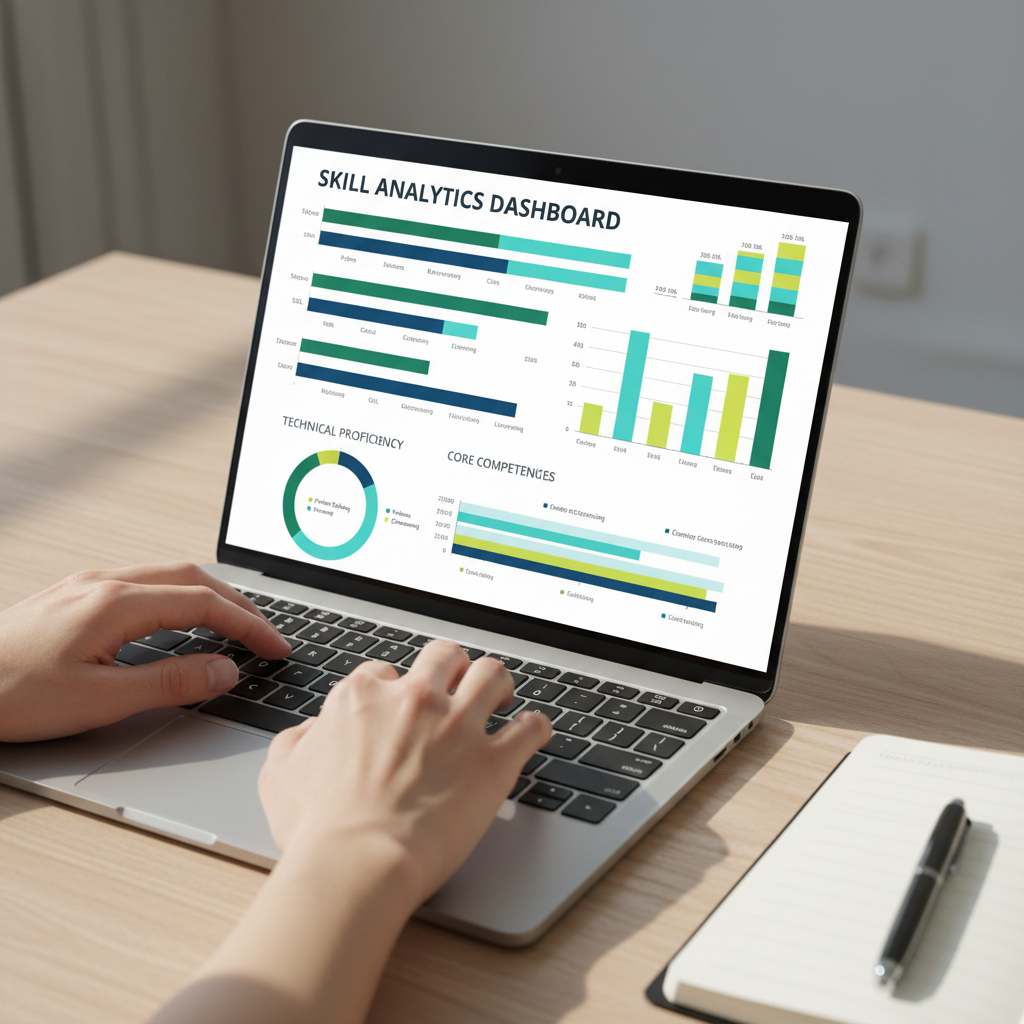
Office managers need strong organizational and interpersonal skills, as they deal with various administrative tasks and staff coordination. Business analysts, however, require analytical and technical skills to evaluate data and suggest process improvements. Both roles demand excellent communication abilities, but the context in which these skills are applied differs.
Tools and Techniques
Office managers often use tools like scheduling software, communication platforms, and inventory management systems. These tools help streamline daily operations and enhance productivity. Business analysts, meanwhile, rely on data analysis software, modeling tools, and project management applications to analyze and optimize business processes.
Conclusion
While office management and business analysis serve different purposes within an organization, both are essential for achieving operational success and strategic growth. Understanding the distinctions between these roles can help businesses allocate resources effectively and foster a more cohesive working environment.
By recognizing the unique contributions of office management and business analysis, organizations can ensure that they not only meet their immediate operational needs but also prepare for future challenges and opportunities.