
How to Optimize Office Management for Efficiency and Growth


Understanding the Importance of Office Management
Efficient office management is crucial for fostering productivity and supporting business growth. It involves organizing resources, streamlining processes, and ensuring that operations run smoothly. When managed properly, an office can become a powerhouse of efficiency and innovation, driving the company towards its goals.

Streamlining Communication
One of the key areas to address is communication. Effective communication can significantly reduce misunderstandings and errors. Implementing tools like Slack or Microsoft Teams can facilitate real-time conversation and collaboration among team members. Moreover, regular meetings and updates can keep everyone on the same page.
Implementing Technology Solutions
Leveraging technology is essential in optimizing office management. Tools such as project management software, cloud storage, and automation solutions can help in reducing manual tasks and improving overall workflow. By integrating these solutions, businesses can ensure that resources are used efficiently and that employees can focus on more strategic tasks.
Organizing Physical and Digital Spaces
A well-organized workspace can improve focus and productivity. This applies to both physical and digital environments. Ensuring that documents are easily accessible and that the office layout promotes efficient movement can make a significant difference. Digitally, using structured folders and standardized naming conventions can prevent time wasted searching for files.
Focusing on Employee Well-being
Happy employees are productive employees. Investing in employee well-being by providing comfortable workspaces, promoting work-life balance, and offering professional development opportunities can lead to increased satisfaction and reduced turnover. Regular feedback and recognition can also boost morale and motivation.

Emphasizing Goal Setting and Tracking
Setting clear goals and tracking progress is essential for growth. Utilizing tools like OKRs (Objectives and Key Results) can help in aligning individual tasks with the company's overarching objectives. Regular reviews and updates ensure that everyone is working towards the same targets and can adapt quickly to any changes.
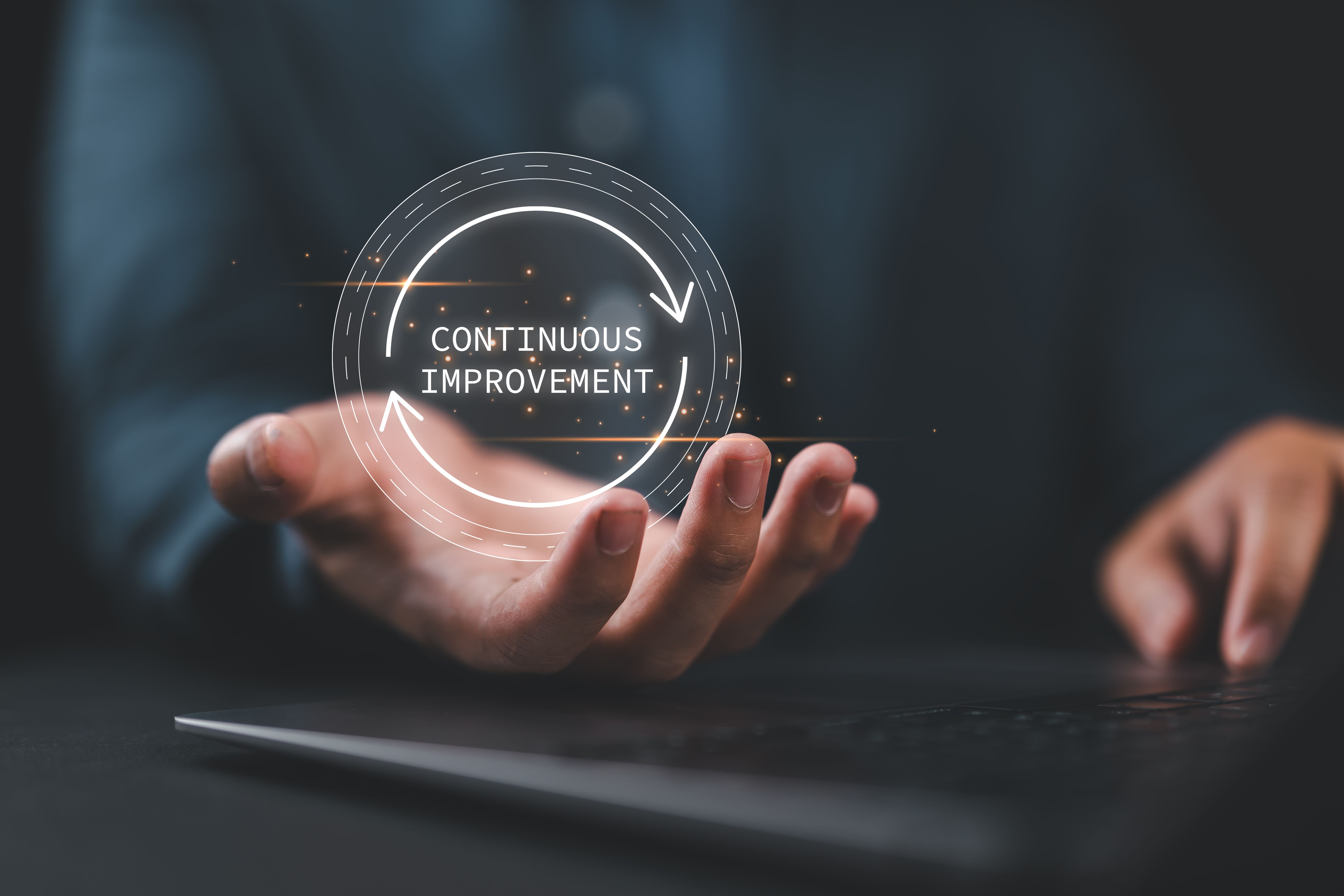
Encouraging Continuous Improvement
Efficiency and growth are ongoing processes. Encourage a culture of continuous improvement by regularly evaluating processes and soliciting feedback from employees. This approach not only identifies areas for improvement but also empowers team members to contribute to the company's success.
Conclusion
Optimizing office management requires a strategic approach that considers communication, technology, organization, employee well-being, goal setting, and continuous improvement. By focusing on these areas, businesses can create an environment that fosters efficiency and supports growth.